Inovação, Segurança Tecnologia
VIVASEG
SEGURANÇA EM 1º LUGAR
Nosso compromisso é com sua segurança e tranquilidade. Especializados em segurança eletrônica e sistemas de CFTV, oferecemos soluções tecnológicas inovadoras que protegem o que você mais valoriza.
01
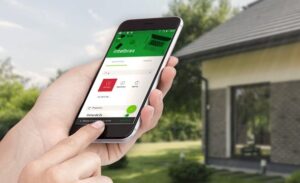
Monitore na palma das suas mãos com a Vivaseg. Tenha controle total da sua segurança onde quer que esteja, com acesso fácil e seguro através de dispositivos móveis.

02
Com profissionalismo e dedicação, garantimos soluções de segurança personalizadas para proteger o que é mais importante para você.

03
Entre em contato conosco através do WhatsApp para obter soluções de segurança personalizadas e atendimento ágil.

ESTAMOS ESPERANDO POR VOCÊ!
VIVASEG
SOLUÇÕES EM TECNOLOGIA
Proteja-se com tecnologia avançada e expertise em segurança.
Solicite seu orçamento hoje mesmo!"

Edy Rios
Tem pessoas que para a gente são como anjos, e você foi um. Meu computador parou e achei que não poderia resolver, mas você provou que é um excelente profissional, ele está funcionando perfertamente. Muito Obridado!

Roger Brito
Estou muito satisfeito com os serviços da Vivaseg. Eles foram profissionais, eficientes e ofereceram soluções personalizadas para proteger minha casa. Recomendo totalmente!

Hospital português
Profissionalismo, tecnologia avançada e compromisso com a segurança são marcas registradas da Vivaseg. Recomendamos seus serviços a todos que buscam excelência

perguntas frequentes
Vivaseg is a company specialized in security solutions, offering services such as Electronic Security installation, Access Control, Communication and Network. Combining advanced technology and security expertise, Vivaseg seeks to protect what is most important to its customers, ensuring peace of mind and confidence at all times.
Electronic security refers to the use of electronic devices and technologies to protect property, people and information. This includes security camera monitoring systems, alarms, biometric access control, electric fences, among others. These devices are integrated to create a comprehensive and effective security solution, enabling real-time monitoring, intrusion detection, authorized access control, and rapid response to security events. Electronic security is a modern and efficient approach to ensuring the protection of various environments, such as homes, businesses, hospitals, financial institutions and public spaces.
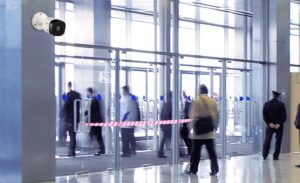
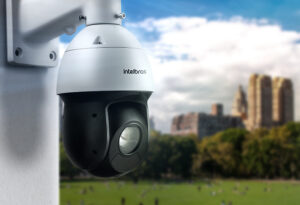
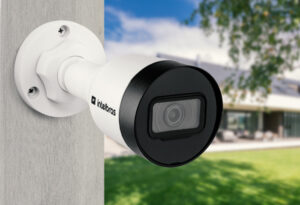
Installation of Camera Monitoring Systems: Installation of security cameras at strategic points for continuous monitoring of internal and external areas.
Installation of Alarm Systems: Implementation of alarm systems that detect intruders, fires, gas leaks and other emergencies, triggering alerts and notifications.
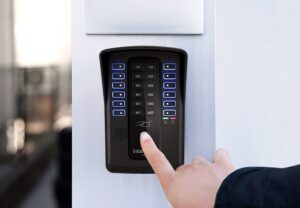
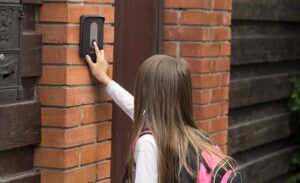
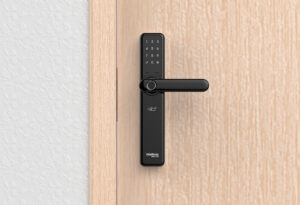
Access Control: Installation of access control systems to allow or deny access to restricted areas based on authorized credentials such as access cards, biometrics or codes.
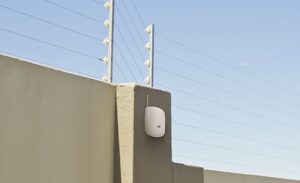
Electric Fences: Installation of electric fences as an additional physical security measure to prevent intrusions and protect perimeters.
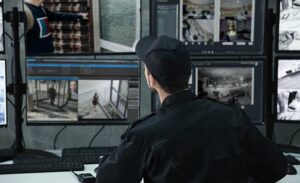
24-Hour Monitoring: Offering 24/7 remote monitoring services for immediate detection and response to security events.
Cyber Security: Implementation of measures and systems to protect networks, systems and data against cyber attacks, such as firewalls, antivirus and intrusion detection.
Maintenance and Technical Support: Provision of preventive and corrective maintenance services for security systems, in addition to technical support to ensure their proper functioning.
Maintenance and Technical Support (IT): Preventative and corrective maintenance on IT equipment, such as computers, servers and network devices, in addition to offering remote and in-person technical support to resolve problems and ensure system availability.
The average installation time for security systems may vary depending on the complexity of the project, the size of the property and the types of equipment to be installed. However, in general, installing security systems such as cameras, alarms and access control can take anywhere from a few hours to a few days.
For simple residential projects, installation can be completed in a single day, while larger commercial or industrial projects may take longer due to the need to cover larger areas, configure more complex systems, and perform integrations with other existing systems.
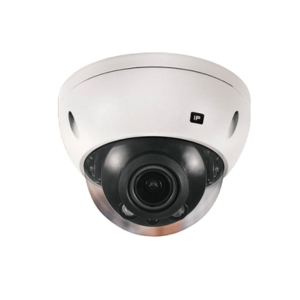
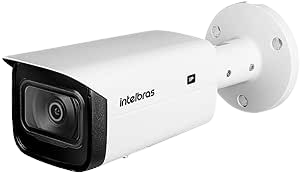
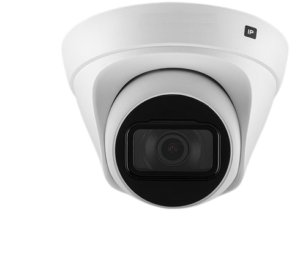
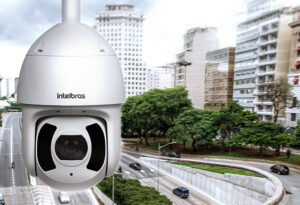
Security Cameras: Advanced camera technologies such as IP cameras, high-resolution cameras, night vision cameras, and motion detection cameras.
Alarm Systems: Alarm systems with intrusion sensors, motion sensors, door/window opening sensors, sirens and control panels.
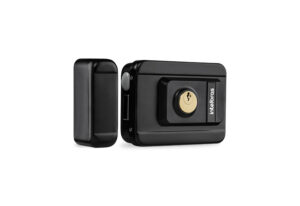
Access Control: Access control technologies such as card readers, biometric readers (fingerprint, facial recognition), electronic locks and access management software.
Electric Fences: Electric fence systems with sensors that detect intrusion attempts and generate alerts.
Remote Monitoring: Remote monitoring technologies, including access to security cameras and alarm systems through mobile devices and computers.
Systems Integration: Integration of different security systems for a holistic approach, such as integrating security cameras with alarm and access control systems.
Cyber Security: Implementing cybersecurity measures to protect security systems against cyber threats, such as firewalls, antivirus and intrusion detection.
Communication Channels: The company provides several communication channels for accessing technical support, such as telephone, email, WhatsAPP.
Call Record: The customer contacts technical support and records the problem or question they are facing.
Initial Analysis: A support technician initially analyzes the problem reported by the customer to understand the nature and severity of the issue.
Remote Support: If possible, the support technician can provide remote assistance by remotely accessing the customer’s system to diagnose and resolve the problem.
Technical Visit: If the problem cannot be resolved remotely, an on-site technical visit can be scheduled to perform a more detailed analysis and make any necessary repairs.
Diagnosis and Solution: The support technician carries out a complete diagnosis of the problem and offers an appropriate solution, whether through adjustments to existing systems, replacement of defective equipment or guidance to the customer.
Follow-up: After resolving the problem, technical support can offer follow-up to ensure that everything is working correctly and to clarify any customer queries.
Feedback and Continuous Improvement: The company collects feedback from customers about the quality of technical support received and uses this information to continually improve its services and support processes.
Safety is our priority. Therefore, we offer a 3-month warranty on our Products.
Get in touch for a consultative consultation with our team and request a personalized quote. Click the button below to speak directly to us via WhatsApp and start your security journey today.